Barry Moser: Encheiresin Naturae Portfolio

Encheiresin Naturae
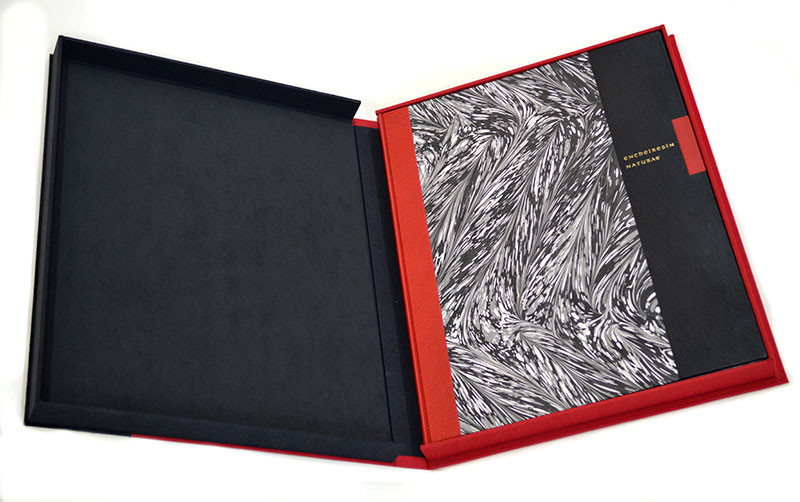
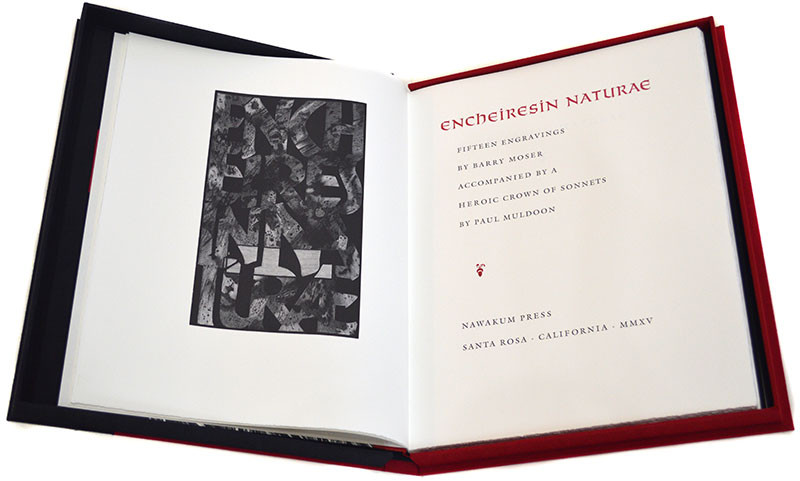
Encheiresin Naturae is seventy-six pages and measures 14″ by 18-1/4″. The paper is mould-made Zerkall and Twinrocker handmade. The binding is half leather with marbled paper over boards. The drop spine box is covered with scarlet Japanese cloth and features a small, embedded, hand-hammered and annealed copper plate.
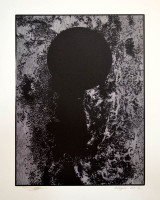
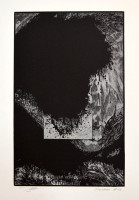
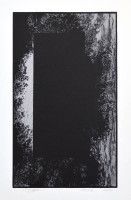
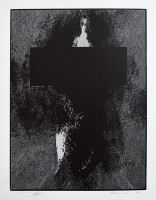
Fifteen abstract relief engravings were invented and engraved by Moser in his studio in Hatfield, Massachusetts in 2014. They were inspired by the phrase encheiresin naturae taken from his reading of Goethe’s Faust, referencing an alchemist’s many experiments in “manipulating nature.” Muldoon was asked to respond to the images poetically, and he chose an advanced form of a crown of sonnets, known as a sonnet redoublé, or heroic crown of sonnets for his tour-de-force response.
In Encheiresin Naturae each of Muldoon’s sonnets is paired opposite a Moser engraving, which has been printed directly from the block. These new non-representational images mark a major departure in the engraver’s work. Moser was trained early on as an abstract painter in the halcyon days of the Abstract Expressionists, and these engravings are, in a manner, a return to beginnings. Poet John Ashbery has referred to Moser’s work as “never less than dazzling.” Jasper Johns refers to these images as “terrific and surprising.”


A creative collaboration between Barry Moser and Paul Muldoon, the Pulitzer Prize-winning Irish poet published in a special fine press edition of fifty copies by the Nawakum Press and printed by Art Larson. The title for this new edition comes from Goethe’s Faust and is a specific alchemic term, half Greek, half Latin that suggests a manipulation or handling of Nature. Moser created fifteen exquisite relief engravings and Muldoon penned a heroic crown of sonnets, also known as a sonnet redoublé, to accompany them.


12.5×9 in
12×7.5 in
12.25×7 in
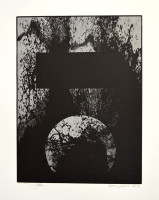
12.5×9 in
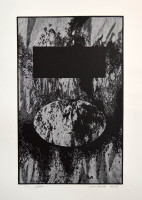
12×7.25 in
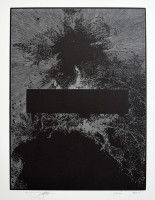
12.5×9 in
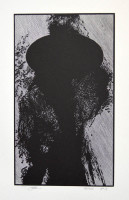
12.5×7 in
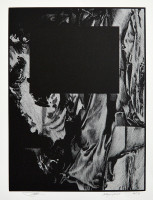
12.5×9 in
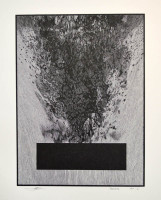
12.5×9 in

12×7.25 in
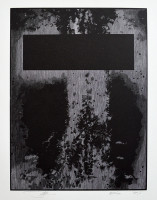
12.5×9 in
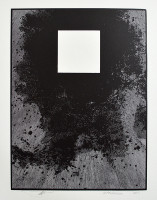
12.5×9 in
12.5×9 in
Paul Muldoon has been described by The Times Literary Supplement as “the most significant English-language poet born since the second World War.” Muldoon is the author of twelve major collections of poetry, and he has published criticism, opera libretti, children’s books, song lyrics and radio and television drama. In addition to the Pulitzer Prize, Muldoon has received an American Academy of Arts and Letters award in literature, the T. S. Eliot Prize, the Irish Times Poetry Prize, the Griffin International Prize for Excellence in Poetry, the Shakespeare Prize, the European Prize for Poetry, and many other awards. He has taught at Princeton University since 1987 and he is the poetry editor of The New Yorker. See the Pulitzer Prize winning poet discuss “difficulty” in poetry and his collaboration with the artist Barry Moser.